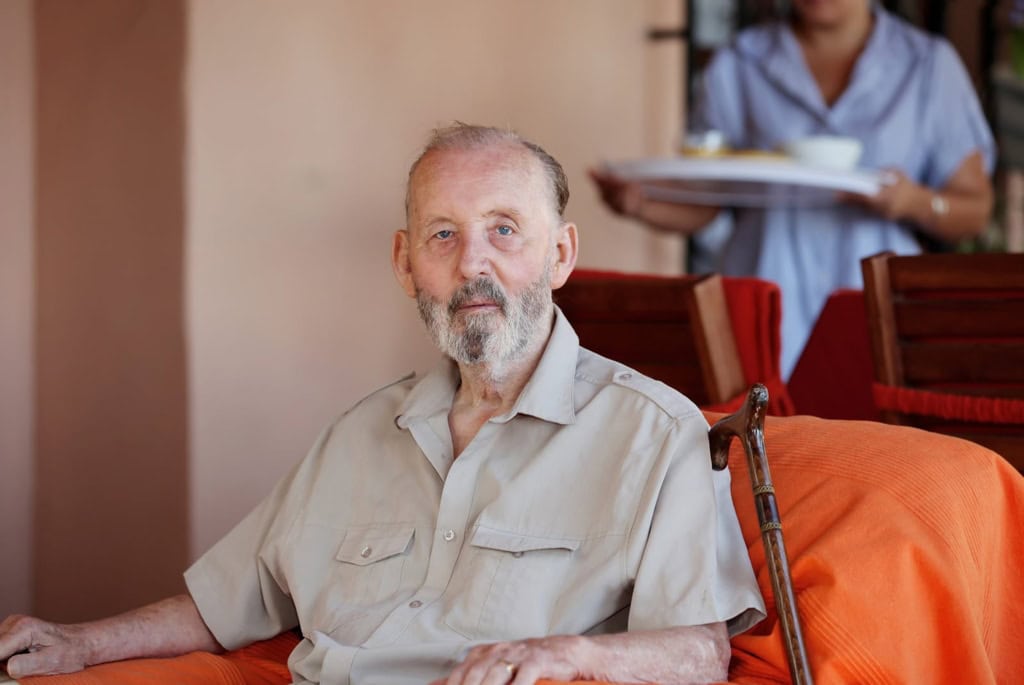
It rarely starts with a dramatic moment. Usually it’s a gradual accumulation of small things — things you notice during a Sunday visit, or pick up on in a phone call, or piece together from what the neighbours have mentioned. At some point, those small things add up to a bigger question: does Mum need more help than she’s getting?
Here are the signs families most commonly describe when they first get in touch with us.
1. The fridge tells a story
Out-of-date food that hasn’t been thrown away. Almost nothing in the house to eat. Ready meals that haven’t been touched. Appetite and nutrition are often the first practical things to slip, and the consequences — weight loss, weakness, lowered immunity — can be serious.
2. Medication is getting muddled
A full blister pack that should have been finished two weeks ago. Tablets taken twice in a day. Complete uncertainty about what’s been taken and when. Medication errors in older people can have serious health consequences, and this is one of the clearest signals that structured support would help.
3. The house isn’t how it used to be
A parent who has always kept an immaculate home and now can’t is telling you something important — not about their standards, but about their energy and capacity. Unwashed dishes, unhoovered floors, laundry piling up: these are practical signals worth paying attention to.
4. Personal hygiene has changed
Wearing the same clothes repeatedly, not bathing regularly, or neglecting teeth and hair can indicate that managing personal care has become difficult — whether physically or because of low mood or early cognitive change.
5. You’re worried about falls
Maybe there’s been a fall already — a bruise they mention in passing. Maybe it’s more that you notice them moving more carefully, gripping the furniture, reluctant to use the stairs. Falls are one of the most significant health risks for older people, and fear of falling often restricts life well before an actual fall happens.
6. They’re becoming isolated
They used to be active in the community — a club, the church, the bowling green — and they’re not any more. They seem flat when you visit. Loneliness and social isolation have well-documented effects on both physical and mental health in older people.
7. You’re getting more calls — or silence
Either they’re ringing you more frequently, sometimes about nothing in particular (which often means they’re anxious or lonely), or you’re struggling to get hold of them and worrying. Both patterns are worth taking seriously.
8. They mention things in passing that they immediately play down
“I had a funny turn the other day but I’m fine.” “I couldn’t get up off the floor for a bit but it was nothing.” These throwaway comments often contain more than they’re letting on. Trust your instinct when something feels off.
What to do if you’ve recognised some of these signs
The most important thing is not to let it spiral to a crisis point. Families who get support in place early — before a fall, before a hospital admission — have far better outcomes than those who wait until there’s no choice.
We offer a free, no-obligation initial assessment. We’ll come to your parent’s home, have a proper conversation with them and with you, and give you an honest picture of what support might look like.
If you’re in Glasgow, Paisley, Barrhead, East Kilbride, Milngavie, or anywhere across west central Scotland, call us on 07939 719 223 or 07825 162 802.


0 Comments